
Do you want to explore the color green!
COLOR THERAPY INDOORS – thoughts on choosing colors
We wanted to write a small series about a few colors for you, for fun and benefit.
This long text is not meant to be read as objective fact but to show examples of how diversely colors can be used and how differently colors can be thought about. This article focuses on the timelessly popular interior color, green.
For centuries, colors have been used in clothing, paintings, flags, makeup, symbols, and decorations to manipulate conscious thinking.
Color is the biggest factor influencing how you want others or yourself to feel – use this knowledge when you want to change the atmosphere.
Colors are an important factor in our everyday environment; in art, design, advertising, celebrations, clothing, and home decor.
Just the color sets the mood!
Did you know this about the color green?
Calming, grounding, fresh, and healthy Green color in interior design continues to be popular.
Green is often described with nature-related words like forest green, moss green, sea green, turquoise green, aqua, olive green, grass green, spring green, lime green, apple green, sage green...
Wikipedia can tell you, for example, that in heraldry the common green color is called vert in French. The adjective green describes eco-friendliness. Green can also mean inexperience, which may relate to the color of unripe berries and fruits.
Natural and fresh
Green is often associated with nature, growth, and freshness. It can bring a feeling of the outdoors inside.
Versatile green
Green is available in various shades, from soft and cool pastels like aqua, mint, and gray-green sage, to deeper tones like forest green and stunning emerald green. Thanks to its versatility, green works well with many design styles, both modern and traditional.
Green can act as a balancing color in interior design, complementing other shades and adding harmony to the space.
Relaxing green
Many shades of green are known for their calming properties, making them ideal for bedrooms, living rooms, and areas where you want to relax and slow down a bit from everyday life.
Green is seen as a balanced and harmonious color that helps create a sense of balance indoors. Green is a popular shade in children's rooms, bedrooms, and bathrooms.

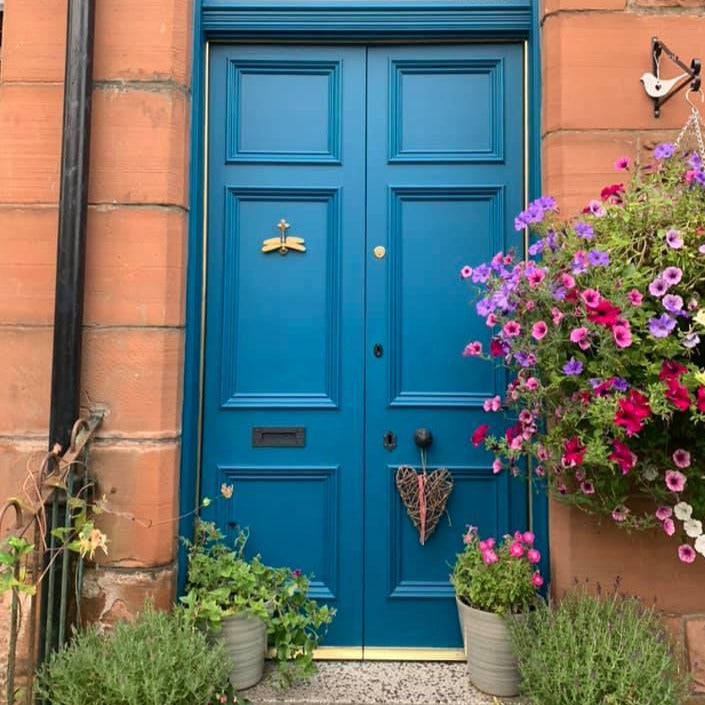
In the picture Irish Dance, from the Trim Paint series.
Imagery and Biophilic decor
Color imagery and metaphors – comparisons – often come from nature: grass, forest, moss.
Biophilic decor is now a popular style among interior designers, focusing on nature and naturalness.
Green is a central part of biophilic design, which aims to connect interiors with nature. It is often used in the form of indoor plants, green walls, or nature-inspired decor.
Natural decor promotes well-being and at the same time brings natural harmony to your home by choosing nature-inspired shades, combining colors with natural, warm surfaces like brick, clean wood surfaces, and even cork.
Biophilic design creates peaceful spaces where the mind can rest – just like in nature.
Because we have an innate longing for nature, the solution in built environments is to bring more nature indoors and into decor through colors and authentic surface material choices. 
Psychological aspects of green
Imagine a peaceful place – most people think of a place in nature. Green is known to have a calming and relaxing effect, so it suits spaces where peace is desired.
Green is often associated with growth, renewal, and rejuvenation. It can evoke feelings of hope and vitality. Think of the first birch leaves in spring – how bright green they are at first! The shade Apple Barn in the picture is a fresh, bright tone for garden shed panels.

Positive associations with green
Many people have positive associations with green because it is linked to nature and the outdoors. Nature is known to have a healing effect on the mind – several health benefits can be easily listed: blood pressure and heart rate decrease, sleep quality improves, and anxiety can significantly ease. Dark green spaces and rooms create a safe atmosphere where you can make room for dreams!
Green is a versatile and emotionally resonant color in interior design. This makes green a popular choice for creating refreshing and inviting spaces. Whether used as a dominant color or an accent, green can enhance the overall atmosphere of interiors by promoting a sense of balance and connection to nature.
Green color in home decor
Wall colors: Green shades of wall paints can create a sense of calm and connection to nature. Lighter greens can open up a space, while darker greens can add depth and coziness. You add atmosphere, nest-like comfort, and hotel-style glamour by using really dark shades.
Furniture and decor: Green upholstery, furniture, and decorative items can add color and personality to your interior. Green also works well with natural materials like wood and rattan. Paint a half-panel with timeless Jugend green, like Wise Old Sage in an old house and use cheerful apple green on post-war Finnish house garden furniture, like the Ikea wooden stool in the picture; Apple of My Eye shade.

Retro, traditional, and at the same time modern
Earthy and muted green shades, like olive or moss, have gained popularity for their ability to create grounded and organic aesthetics. Smoky, muted green or teal are now top trends in aesthetic interiors!
Combine with green shades
All muted, earthy tones are safe choices to pair with green. Boldly combine also complementary colors like red and its various shades such as pink and mauve – or how about yellow?
Try clay gray, terracotta orange, brick tones. Light beige limestone, terracotta, cocoa brown, or even powdery pink.
Soft natural white and cream tones go well with greens – as do muted blues – think of examples from nature. The matte shades of Frenchic colors are easy and reliable combinations with each other.
Combine green with other natural and authentic surfaces in your decor, such as terracotta pots, brick surfaces, genuine and rustic wood surfaces, cork.
Linen, wool, and other textured surfaces pair well with green – as do metal, stone, and glass surfaces.
The human eye loves to see contrasts, which always make a space a bit more interesting.
Besides colors, lighting and the use of lights affect the atmosphere of the space. Choose warm tones for spaces with little natural light.
Green is often between warm and cool tones – depending on the shade.
For this reason, it is versatile and naturally suits most spaces.
Remember, you can always break all these ‘rules’ and that colors are always a personal experience.
Boldly use the colors you love yourself to get the most pleasure benefits in your everyday life!
Discover Frenchic's green paint shades
Pastel and cool - like a French pastille, Eye Candy
Cheerful and suitably retro, apple green Apple of My Eye
Moss green Constance Moss
Deep, stunning emerald green Victory Lane
Our darkest green, Black Forest
Smoky, trendy eucalyptus, Steaming Green
Camo and slightly army-style Olivia
Light aqua green Breezing
Light gray and green blend Maveric
Grayish sage green Wise Old Sage
Lime green Apple Barn
Traditional shade style Bradstock
Spring green Green With Envy

Also read other color blogs:
Blue colors, Purple