8 Handy Tips for Outdoor Painting
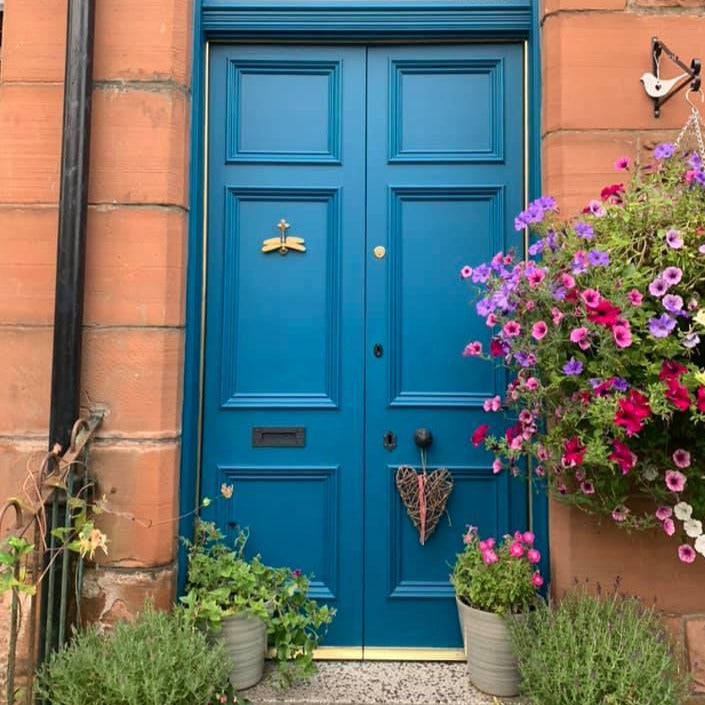
Outdoor painting projects, such as painting garden furniture or doors and windows, are very rewarding.
However, to ensure a successful result, it is important to consider a few things, as exterior surfaces are exposed to weather conditions.

Here are 8 useful tips to help you paint easily and achieve a professional finish.
1. Check the weather forecast before painting
Always check the weather forecast before starting outdoor painting. Humidity and temperature significantly affect the drying and curing of the paint. The first 48 hours are the most critical.
Avoid painting if rain is forecast or if the temperature drops below +10°C within the next two days. Also, very hot weather (over 32°C) or very humid conditions late in the summer (over 80% humidity) make drying and the final result difficult.
2. Let surfaces dry properly
Even if the weather looks sunny, make sure surfaces are completely dry after previous rain or early spring after snow has melted from outdoor furniture. Porous materials like wood, stone, and terracotta absorb moisture and require longer drying times. Allow surfaces to dry for at least 24 hours, longer if needed.
3. Avoid direct sunlight when painting
Do not paint in direct sunlight, as it heats the surface and causes the paint to dry too quickly. This makes it difficult to achieve an even finish. Also, keep the paint can in the shade and protect it with a lid from pollen and other outdoor debris.
4. Assess the condition of the surface to be painted
Make sure the surface to be painted is in good condition before painting. A surface in poor condition can allow moisture under the paint, leading to peeling and damage.
Check the following:
-
Remove mold, moss, and algae – clean the surfaces thoroughly using warm water and Sugar Soap degreasing cleaner.
-
Tighten screws, repair cracks and other damage.
-
Remove loose old paint and varnish.
-
Fill damage, scratches, and holes with an exterior-grade filler if desired.
-
Light sanding improves paint adhesion.
5. Do not paint door and window seals
When painting doors and windows, avoid painting silicone and rubber seals. Painted seals tend to crack over time and spoil both the appearance and functionality.
6. Choose the right exterior paint
Always use paint specifically designed for outdoor use, weather-resistant and UV-protected. Interior paints do not withstand outdoor conditions and will chip and fade quickly. Frenchic’s Al Fresco paint series is an excellent choice for outdoor painting.
7. Ensure you have enough paint
Exterior surfaces are often porous and absorb a lot of paint. Check the paint can for the recommended number of coats and coverage area. If you have plenty of paint left over, apply thicker coats to ensure a durable finish. Al Fresco paint comes in two sizes: 750ml and 250ml. Coverage and technical details can be found for each shade.
8. Always use protective covers and clothing
Although outdoor painting may feel carefree, always use protective covers to prevent splashes. Exterior paints are durable and do not easily come off surfaces. Wear protective clothing and gloves during painting and read more about protection here.
If you need more inspiration and tips for outdoor painting, explore Frenchic’s Al Fresco series and our comprehensive guides on popular projects.